
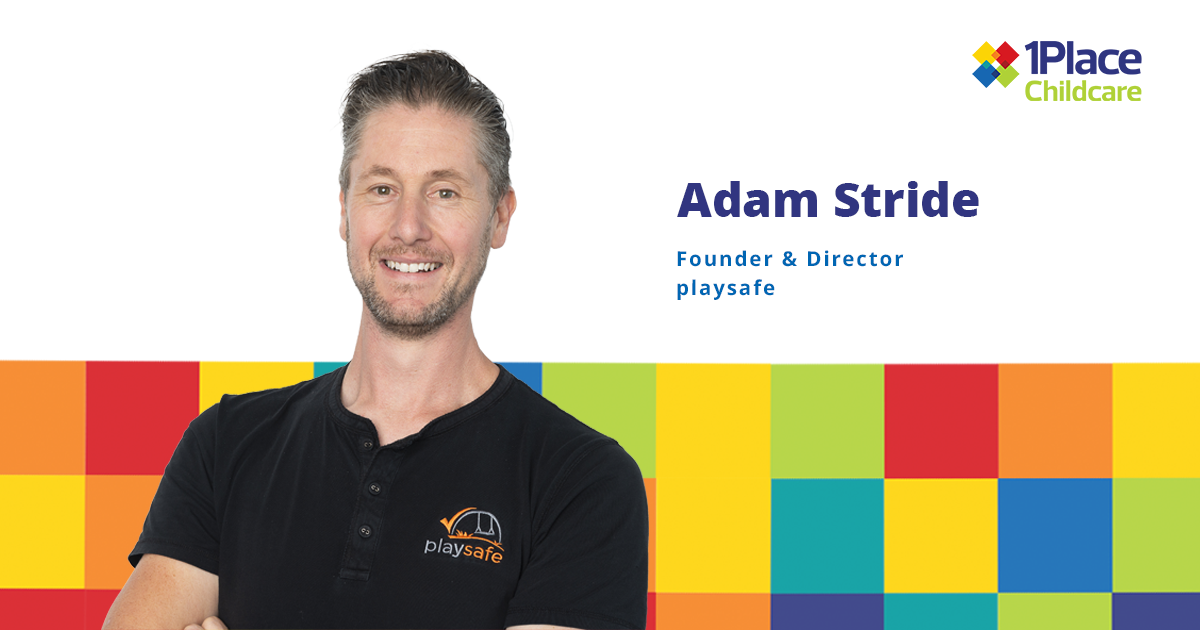
We sat down with Adam Stride, Founder and Director of Playsafe, New Zealand’s leading independent playground safety and compliance specialist. With over two decades of hands-on experience across playground design, compliance, inspection, and construction oversight, Adam is an RPII-certified specialist, a technical member of the CEGAP Advisory Panel, and a member of the AS/NZ Joint Standards Committee. His work takes him from certifying brand-new installations to providing expert witness support in serious injury cases – giving him a perspective on playground compliance that few others hold.
We spoke with him about one of the most misunderstood areas of risk for early childhood centre owners and operators: outdoor play environment compliance.
Why is playground compliance such a prevalent issue for early childhood centres right now?
The core issue is a misunderstanding of who’s responsible. Owners and operators of ECE outdoor play environments have a compliance liability to the Ministry of Education under licensing. But the NZS 5828 playground standard is a deeply technical document — and the MOE’s position is that they don’t want to be experts in it. Their advisors take a broad approach, and ultimately the liability rests with the owner and operator.
That’s where the trap lies. People think they comply, so they’re okay. But compliance isn’t the ceiling — it’s the floor. It’s the minimum baseline, not an aspirational goal.
What does non-compliance actually look like in practice?
We see the full spectrum. We’re out certifying new, world-class installations, but we’re also working on the most serious injury cases — including deaths and life-changing injuries. In my experience over 20 years, approximately 98% of serious playground injuries involve some form of hazard or non-compliance in the environment. That’s not a small number.
And increasingly, we’re seeing more litigation and more settlements. When a centre can’t demonstrate compliance, they can’t defend themselves. Compliance is genuinely the best form of insurance available.
Centres often say “the MOE signed this off” — does that mean they’re covered?
No, and this is a really important point. An MOE licensing advisor may identify a handful of things they believe are red flags, but they’re not playground compliance specialists. When we go into a centre that’s been told it’s fine, we often find blatant non-compliances — basic issues that are clear and well-defined within the standard.
When that happens, the MOE’s response to the owner is consistent: you bear the burden of proof. It’s your responsibility to ensure the space is safe and fit for purpose. Their sign-off on licensing is not the same as a certified playground compliance audit.
Has the standard itself changed significantly, or is the gap more about operators not keeping up?
The standard has evolved over about 65 years — it’s mature and well-developed. It’s derived from British and European frameworks and is used across all Commonwealth countries, Australasia, and most of the world outside the US. Five-year reviews happen, but the updates are refinements rather than rewrites.
The gap is less about the standard changing and more about the MOE not having the resources or funding to enforce it effectively. So compliance in outdoor play environments rides a bit of a wave — and frankly, the market isn’t doing it well enough.
When should the standard actually apply?
The standard only has real teeth when there’s an injury. That’s when the full force of it comes in — a post-injury review is called, non-compliances are identified, and negligence cases follow. That’s exactly why being proactive matters so much. You don’t want to be finding out about non-compliance for the first time after a child has been seriously hurt.
So what does being proactive actually look like for a centre owner?
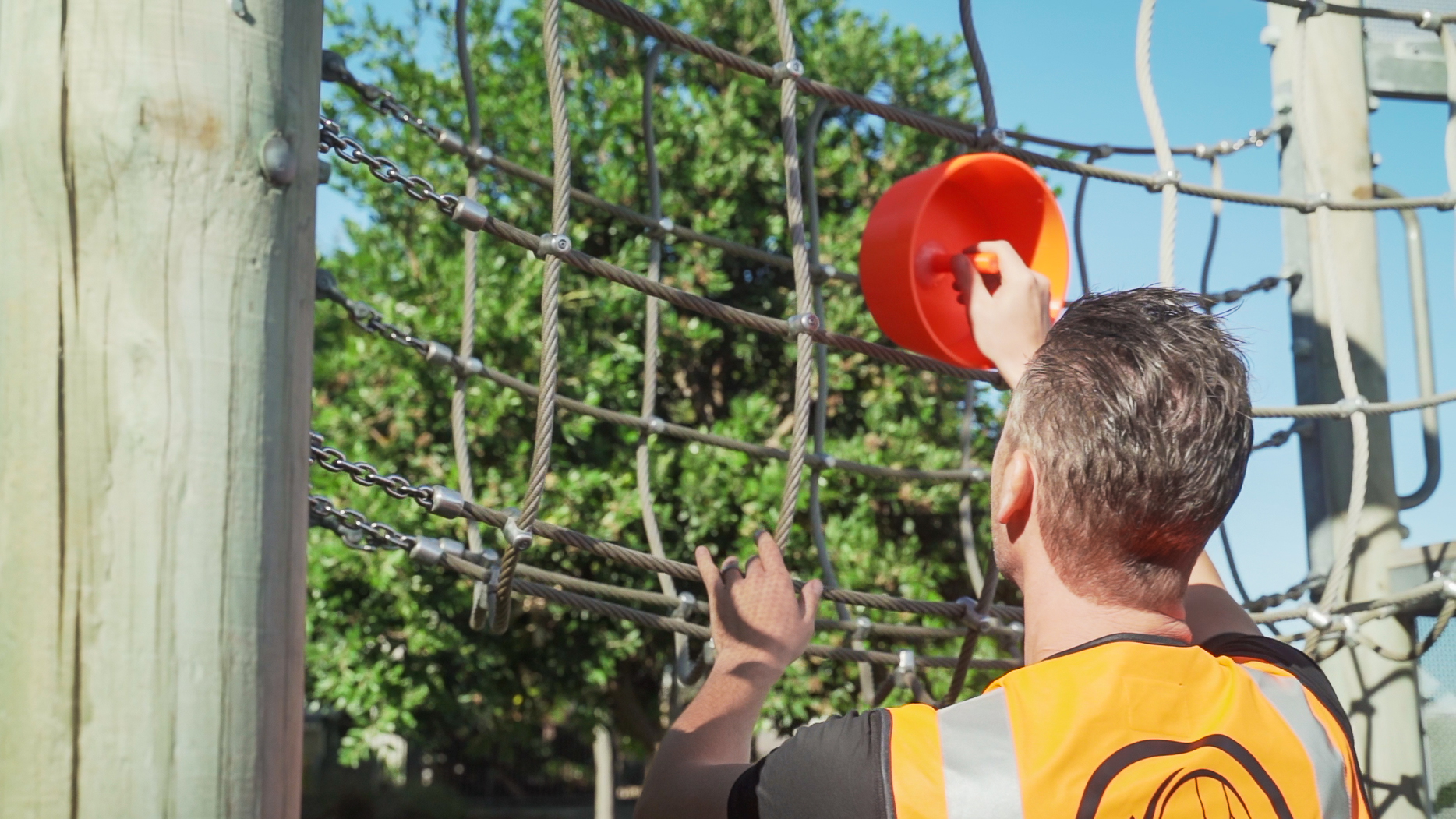
It’s straightforward in principle. The standard itself specifies an inspection programme with two components: owner-operator inspections, and annual external inspections by a qualified independent inspector. That external audit is the starting point. It gives you a working document — a clear picture of where you are, what needs attention, and a framework for getting better.
Some centres opt for two-yearly external audits depending on budget, but annual is what the standard recommends. From there, there’s training available for key staff, owners, and managers so they understand what they’re managing. And there are standards guides specifically for early childhood, alongside resources that explain MOE requirements and the Premises and Facilities Framework.
Inspections, training, and resources together — that’s the coverage. That’s the best insurance.
You mentioned the warrant of fitness analogy for cars — does that hold up for playgrounds?
It does, and we use it ourselves. A lot of programmes out there are, metaphorically speaking, running on bald tyres and worn brakes. There’s a maintenance aspect that often gets neglected.
But there’s one key difference from a WoF. In the car industry, the manufacturer doesn’t do its own warrants. In the playground industry, that separation doesn’t always happen. Suppliers will sell equipment, install it, and tell the owner it’s compliant — with no independent verification. The standard requires that new installations be certified and have a post-installation inspection by an independent party. That’s not optional. When something goes wrong and an owner says “we thought it was compliant when we bought it,” that’s not a defence if there’s no independent certification to back it up.
What’s your message to centre owners who might be feeling unsure about where they stand?
Don’t avoid the audit because you’re worried about what it might find. That fear is understandable, but it’s the wrong approach. Our inspectors aren’t about closing playgrounds — that’s not what this is. Everything is assessed on a traffic light system: low, medium, and high risk. High-risk findings that require a closure are very few and far between. In almost every case, we can work with centres to give them a clear plan, a timeframe, and practical steps to retain their play areas while addressing issues properly.
Play is essential. The process is designed to support that, not to shut it down.
Adam Stride is the Founder and Director of Playsafe, New Zealand’s largest independent playground safety and compliance specialist. Playsafe delivers certified inspections, compliance audits, training, and advisory services for ECE centres, councils, and schools across New Zealand and internationally.