Are you finding it hard to make time for operational tasks each day? For standalone centre managers and owners across New Zealand, the isolation of leadership can feel overwhelming. Between compliance requirements, staffing challenges, and the daily demands of running a centre, where do you turn for support and guidance?
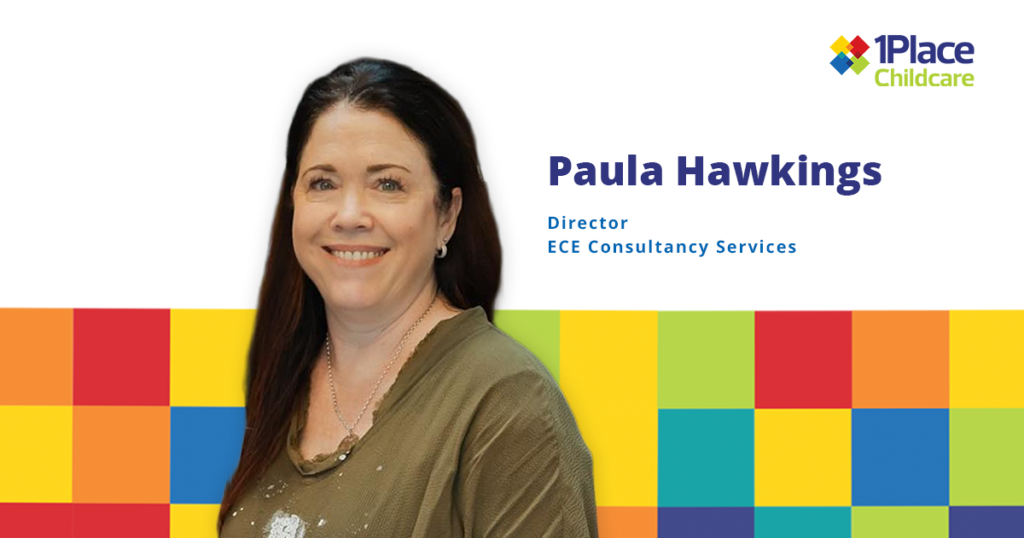
We sat down with Paula Hawkings, Director of ECE Consultancy Services, to discuss how face-to-face networking is helping ECE leaders across Auckland navigate these challenges together. With five support managers on her team all with decades of experience in centre ownership, operations, and general management, Paula has built a network of centres that meet quarterly for professional development, policy updates, and genuine connection.
Through these Professional Growth Cycle (PGC) networking sessions, standalone centres are discovering they’re not alone in the world of early childhood education.
Can you tell us about your networking approach and why it’s so important?
For us, it means standalone centres are not alone in the world of ECE. They get to connect with other centre managers four times a year. We talk about topical things that are happening in early childhood education, things they’re reading about on Facebook forums that cause them worry. They can bring all of that to the table as well as receive well rounded PLD.
It’s a six-hour day, four times a year. We use that opportunity for centre managers to understand policy changes, receive professional development, and work in networking groups to support their teacher registration.
Why is face-to-face connection so valuable in today’s digital world?
Face-to-face is so valuable compared to Zoom. Actually being in the room with somebody makes a real difference. Obviously, we still use Zoom or Teams for some parts of our role, but face-to-face is definitely the way we like to operate as a leadership team.
I think our managers love the social side and being able to get out of their centres for a day – see what other centres have to offer and network/socialise. They really love getting to talk about what’s happening for other people in their centres and their communities. The whole well-rounded networking is what they actually love.
How do you coordinate these gatherings across different locations?
We’re predominantly Auckland-based, but we do have centres in Hamilton, Hawke’s Bay, and Wellington. We try to have our support teams who live in the region work in the region to save travel time as well as have a deep understanding of the local communities.
We have Sheree and Kim out south, and Jo, Young-Ju and Ximina in the North/West
Who are these networking days designed for?
They’re really structured for all centre managers/ECE Qualified Centre owners, whether they’re new or experienced.. There’s no discrimination. It’s just whoever is taking on that key leadership role is invited.
What topics do you typically cover in these sessions?
There’s always policy review. There’s always an agenda item around policy and policy changes. There’s always opportunities for networking, where we ask topical questions and have them research together and present back to the group.
We always try to have professional development. For example, the professional development in February is all around understanding your team’s personality types and how we can transfer that information into leading a successful centre.
What’s the scope of a centre manager’s role these days?
It’s more operational, more around leadership and team leadership. We focus on curriculum and marketing. Most of our centres nowadays either have an administrator or an owner who looks after payroll. Financial training would be one-on-one at an individual centre’s need.
The [quarterly networking sessions] are just one component of what we do to support leadership. For some services, we’re in there every week providing management support. If they’ve got very junior managers, we’ll be in there every week. Or some centres don’t have managers, they just have head teachers, and we’re in there every week as well.
What feedback do you receive from people attending these networking days?
They really love the social side and being able to get out of their centres. They love talking about what’s happening for other people in their centres and their communities. The whole well-rounded networking is what they actually love.
The demands on ECE leaders continue to grow. Policy changes, operational complexity, and workforce challenges can make centre leadership feel isolating. Paula’s approach demonstrates a powerful truth: when standalone centres come together face-to-face four times a year for professional development, policy updates, and genuine networking, leaders stop feeling alone and start feeling supported.
The result? Centre managers gain confidence through shared learning, stay current with regulatory changes, and build a community of peers who understand their challenges. That’s the power of being in the room together rather than navigating leadership in isolation.
If you’re a standalone centre manager or owner looking for this kind of support and connection, reach out to Paula and the team at ECE Consultancy Services. Their Professional Growth Cycle networking sessions might be exactly what you need.